Find IEC 60309 Marine Brass Switch for Boats, Docks & Ports
Compare 30 iec 60309 marine brass switch listings covering rated currents, voltages, IP ratings, materials, certifications, and lead times. Buyers can review CE and ISO9001 certified options from Zhejiang and Jiangsu suppliers and request quotes for marine plug and socket applications.
Key considerations
Products List



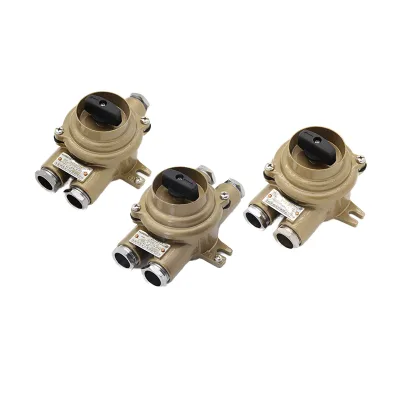


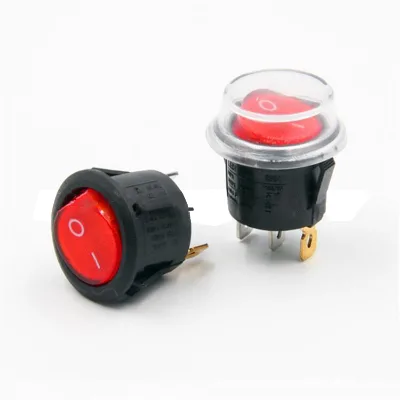
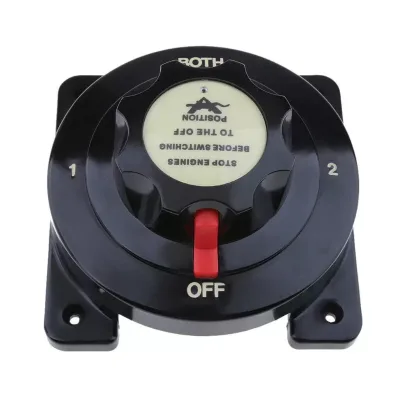
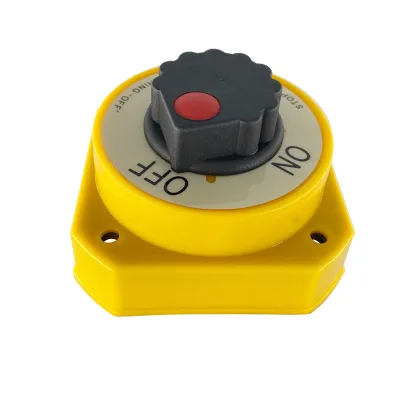
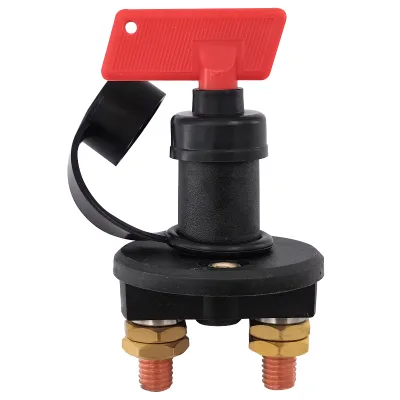
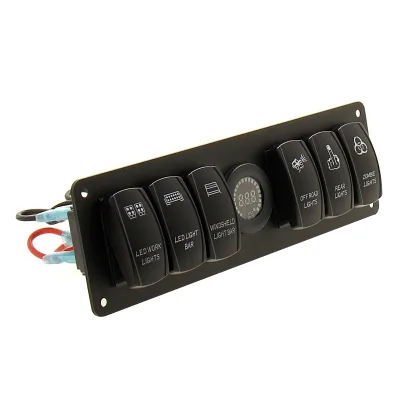
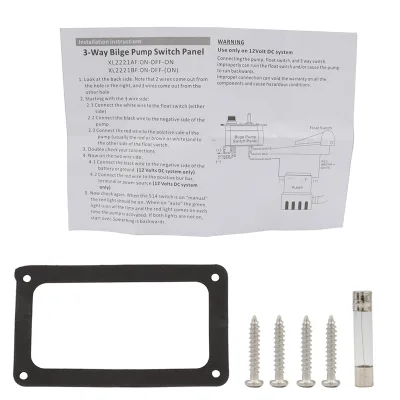



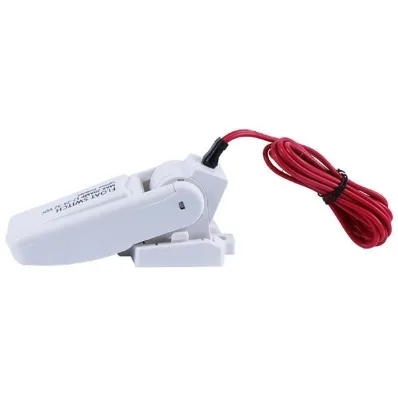

Comprehensive Sourcing Guide
Iec 60309 Marine Brass Switch Sourcing Guide
Procuring electrical components for marine environments requires a rigorous approach to material selection and environmental sealing, particularly when dealing with high-current switching mechanisms. The intersection of IEC 60309 standards and marine-grade brass construction defines a specific niche of industrial connectivity where durability under saltwater exposure and high-voltage switching capabilities are paramount. Buyers must navigate a market where product listings often conflate general industrial plugs with specialized marine applications, necessitating a clear understanding of the distinct technical requirements for offshore and onboard installations. This guide provides a structured framework for evaluating suppliers and products that claim compliance with these rigorous standards, ensuring that procurement decisions are grounded in verifiable data rather than marketing assertions.
The core challenge in this category lies in distinguishing between standard industrial connectors and those specifically engineered for the harsh conditions found in marine settings. While many suppliers offer brass components with IP ratings, the true test of suitability involves verifying the specific alloy composition, the integrity of the sealing mechanisms, and the certification of the switching capacity under fluctuating voltage conditions. This guide focuses on the critical decision points for sourcing these components, from interpreting technical specifications like rated current and voltage to validating supplier qualifications through recognized maritime classification societies. By adhering to these verification steps, procurement teams can mitigate the risk of component failure and ensure long-term operational reliability in marine industrial applications.
Product Scope and Observed Listing Signals
The market for marine brass switches and connectors presents a diverse array of products, often characterized by specific material compositions and environmental ratings that signal their intended use. Observed listings frequently highlight the use of brass as the primary material, a choice driven by its inherent resistance to corrosion and its mechanical strength in high-stress environments. These components are often marketed with IP ratings such as IP65 or IP56, indicating a high level of protection against dust and water ingress, which is critical for equipment exposed to the elements on deck or in engine rooms. Buyers should note that while "marine" is a common descriptor, it must be cross-referenced with specific technical attributes to ensure the product meets the rigorous demands of saltwater exposure and mechanical vibration.
In addition to material and sealing properties, the electrical specifications of these switches vary significantly across different product lines, reflecting their suitability for various power systems. Listings often specify voltage ranges such as AC220V, 380V, or even up to 440V, alongside current ratings that can range from 10A to higher capacities depending on the model. Some products are explicitly designed for two-stroke engines or specific boat parts, indicating a targeted application within the marine propulsion or auxiliary systems sector. Procurement specialists must carefully examine these electrical parameters to ensure compatibility with the vessel’s existing infrastructure, paying close attention to details such as cable outside diameter and the specific type of connection mechanism, whether it be a plug, socket, or current switch configuration.
Technical Specifications to Verify
When evaluating potential products, the first step is to verify the electrical ratings and physical dimensions to ensure they align with the operational requirements of the marine installation. Key specifications to confirm include the rated voltage, which may be listed as 125V, 250V, or 380V, and the maximum current capacity, which can range from 16A to 20A or higher for industrial-grade units. It is essential to distinguish between the rated current and the maximum current the switch can handle under peak load conditions, as exceeding these limits can lead to overheating and failure. Additionally, the physical dimensions, such as the cable outside diameter, must be verified to ensure that the connector can accommodate the specific wiring harnesses used in the marine electrical system, preventing loose connections that could cause arcing or intermittent power loss.
Beyond electrical ratings, the mechanical and environmental specifications provide critical insights into the durability and longevity of the switch in a marine environment. Buyers should verify the IP rating, looking for values such as IP65 or IP56, which indicate protection against dust and water jets, respectively. The material composition is another vital factor; while brass is commonly cited, the specific alloy and plating, such as chrome or gold finishes, can significantly impact corrosion resistance. Furthermore, the condition of the product, whether new or refurbished, and the warranty period, often listed as 12 months, offer additional layers of assurance regarding the manufacturer’s confidence in their product. These technical details must be meticulously compared against the vessel’s operational profile to ensure that the selected switch can withstand the expected environmental stresses and electrical loads.
Compliance and Safety Documentation
Compliance with international standards is a non-negotiable aspect of sourcing marine electrical components, as it ensures that the products meet established safety and performance benchmarks. The IEC 60309 series of standards is widely recognized for industrial plugs, sockets, and couplers, providing a framework for dimensions, pin and sleeve arrangements, and rating characteristics. Buyers should request documentation that explicitly references these standards, verifying that the product has been tested and certified for use in the specified voltage and current ranges. While some listings may mention compliance with IEC 60309-1 or IEC 60309-2, it is crucial to confirm that the certification is current and issued by a recognized testing body, as this serves as a primary indicator of the product’s reliability and safety.
In addition to IEC standards, marine applications often require adherence to specific maritime classification society standards, which impose additional requirements for materials, construction, and testing. Certifications from organizations such as ABS, LR, BV, NK, DNV, RINA, RS, IRS, and CCS are highly valued in the marine industry, as they indicate that the product has been evaluated for use in shipbuilding and offshore operations. Buyers should ask suppliers to provide copies of these certificates or evidence of conformity, ensuring that the components are approved for use in the specific class of vessel being outfitted. Furthermore, general safety certifications such as CE and ISO9001 may also be present, indicating compliance with European safety directives and quality management systems, respectively. These documents collectively form the basis for assessing the legal and operational suitability of the product for marine deployment.
Cost Drivers and Commercial Terms
The cost of marine brass switches is influenced by a variety of factors, including the complexity of the design, the quality of materials used, and the level of certification required. Products with higher current ratings, such as those capable of handling 20A or more, typically command a higher price due to the increased material usage and more robust internal mechanisms. Similarly, switches that are certified by multiple maritime classification societies may incur additional costs associated with the rigorous testing and documentation processes involved. Buyers should also consider the impact of customization options, which can add to the base price but may be necessary for specific vessel configurations or proprietary electrical systems. Understanding these cost drivers allows procurement teams to budget accurately and evaluate the value proposition of different suppliers.
Commercial terms, including minimum order quantities (MOQ) and delivery times, play a significant role in the overall procurement strategy and total cost of ownership. Observed MOQs can range from single units to thousands, depending on the supplier’s production capacity and the level of customization required. Lead times are another critical factor, with typical delivery windows ranging from 7 to 30 days, depending on the complexity of the order and the supplier’s inventory levels. Buyers should negotiate clear terms regarding shipping, packaging, and liability, ensuring that the products are protected during transit, especially given the sensitive nature of electrical components. Additionally, warranty terms, such as a 12-month coverage period, should be clearly defined in the contract, providing a safety net against early failures and reducing the long-term risk associated with the procurement.
Supplier Qualification and Quality Control
Selecting a reliable supplier is as important as selecting the right product, as the manufacturer’s expertise and quality control processes directly impact the performance and longevity of the marine switches. Buyers should prioritize suppliers who have a proven track record in the marine industry, with experience in producing components that meet the stringent requirements of classification societies. Verification of the supplier’s manufacturing capabilities, including their facility location and production capacity, can provide insights into their ability to meet delivery deadlines and maintain consistent quality. Suppliers based in regions known for industrial manufacturing, such as Zhejiang or Jiangsu in China, may offer competitive pricing, but buyers must ensure that these suppliers adhere to international quality standards and have robust quality assurance protocols in place.
Quality control measures should be a key criterion in supplier evaluation, with buyers requesting information on the testing procedures used to validate product performance. This includes verification of electrical continuity, insulation resistance, and environmental sealing under simulated marine conditions. Suppliers should be able to provide test reports or certificates of conformity for each batch of products, ensuring that every unit meets the specified technical and safety requirements. Additionally, buyers should inquire about the supplier’s process for handling defects and returns, as this reflects their commitment to customer satisfaction and product reliability. By conducting thorough due diligence on supplier qualifications and quality control practices, procurement teams can establish a partnership that supports long-term operational success and minimizes the risk of supply chain disruptions.
Long-Term Procurement Checks
Establishing a long-term procurement strategy for marine brass switches involves regular monitoring of product performance and supplier reliability to ensure continued compliance and operational efficiency. Buyers should implement a system for tracking the performance of installed components, noting any issues related to corrosion, electrical failure, or mechanical wear. This data can be used to provide feedback to suppliers, driving continuous improvement in product design and manufacturing processes. Additionally, buyers should stay informed about updates to relevant standards and regulations, such as changes to IEC 60309 or new requirements from maritime classification societies, to ensure that future procurements remain compliant with the latest industry benchmarks.
Regular audits of supplier performance, including delivery times, product quality, and customer service, are essential for maintaining a healthy supply chain. Buyers should conduct periodic reviews of supplier certifications, ensuring that they remain valid and up-to-date, and verify that the supplier continues to adhere to the agreed-upon quality control standards. Furthermore, buyers should explore opportunities for bulk purchasing or long-term contracts to secure favorable pricing and priority production slots, while also maintaining a diversified supplier base to mitigate the risk of supply disruptions. By proactively managing these long-term procurement checks, organizations can ensure a steady supply of high-quality marine brass switches, supporting the safe and efficient operation of their marine assets over the long term.
FAQs
How does a brass switch body improve durability in marine environments?
Brass offers strong corrosion resistance against saltwater and humidity, which makes it a common material for marine switch and socket components. Listings in this category also include chrome-plated and heat-resistant phenolic housings for specific applications. When selecting a unit, confirm the protection class, such as IP56 or IP65, since sealing quality matters as much as base material in wet shipboard installations.
What certifications should I verify before ordering these marine switches?
Certification records listed across this category include CE, CE CCS, and ISO9001, and some products reference classification society standards such as ABS, LR, BV, NK, DNV, RINA, RS, IRS, and CCS. Requirements vary by vessel flag and project specification, so confirm which certificates your buyer needs. Always request copies of valid certificates for the exact model before placing an order.
Which voltage and current ratings are available in this product range?
Listed ratings include 250V 16A units, AC220V and 380V switches, models rated 24-440V, and heavier plugs with rated currents from 10 to 1250A. One photocontrol model lists 125V/250V/380V with a 20A maximum. Match the rating to your circuit before ordering, since a switch rated for a lower current must not be used on a heavier load even if the connector physically fits.
Can I order customized versions with my own branding or specifications?
Yes, customization is listed as available for products in this category, and entries show brand names such as Bozhou and GENTAI alongside model numbers like dCZH202-2 and HH202. Typical customization covers branding, packaging, and specification adjustments, subject to supplier confirmation. Discuss minimum quantities and any tooling or sample costs with the supplier before confirming a customized production order.
What is the typical delivery time and packaging for these marine switches?
Listed delivery times range from 7-15 days to 15-30 days depending on the product and order size. Packaging is generally carton packing, and some listings state packing suitable for long-distance transportation. Confirm the exact lead time for your quantity at the quotation stage, since customized orders and larger volumes may require longer production schedules than stock items.
How do I confirm warranty terms and product condition before purchasing?
Products in this category are listed as new condition with a 12-month warranty. Warranty scope, handling of defective units, and whether shipping costs are covered should be clarified directly with the supplier, as listing terms are a starting point rather than a complete agreement. Ask for the warranty policy in writing together with the quotation so obligations are clear before payment.